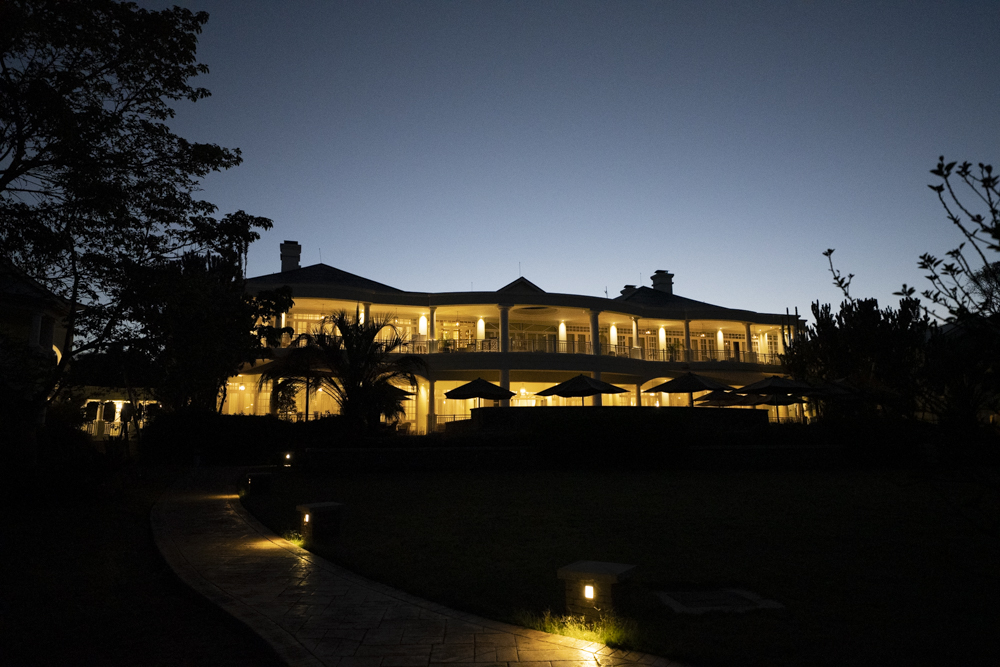
We got up at 0500 for our 0615 pick up for our 0800 flight. Wycliffe was pretty great and the morning was uneventful.
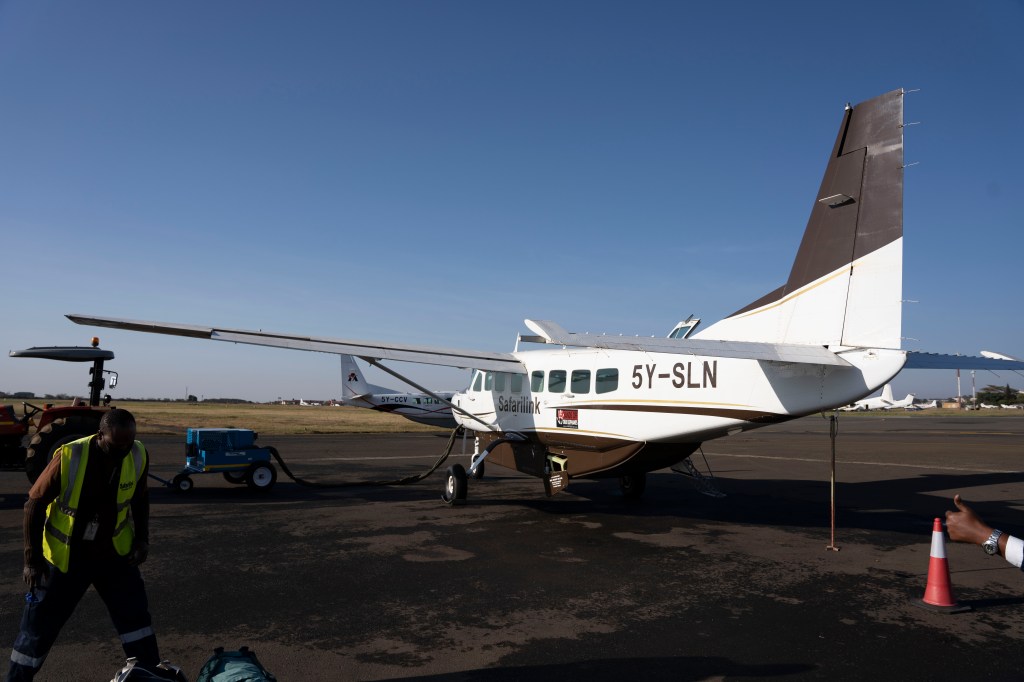
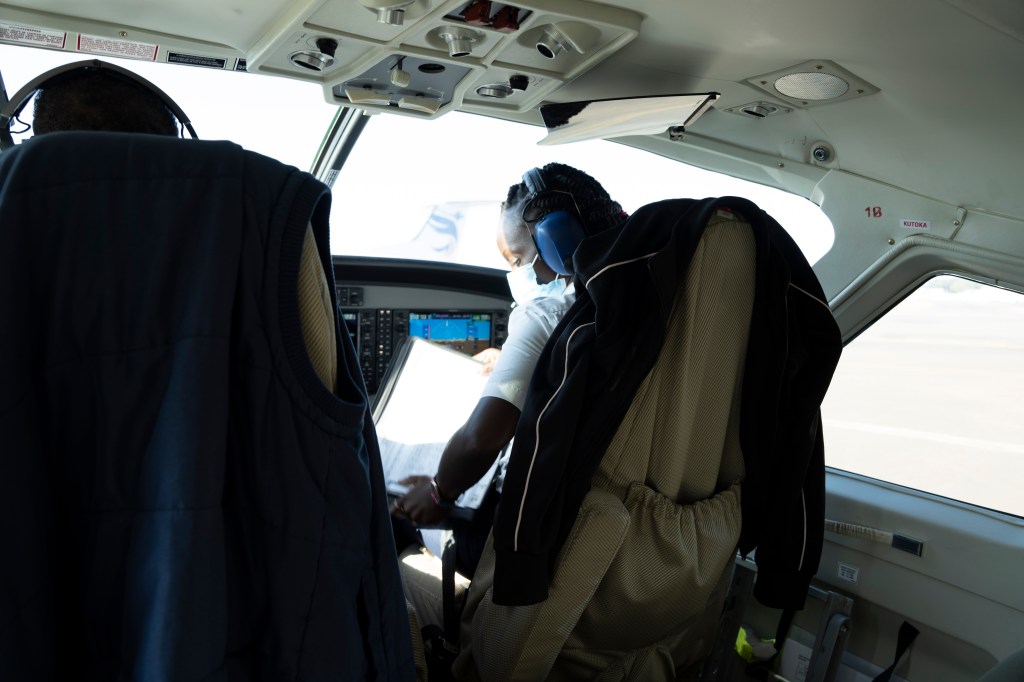
Before long we were walking out to our grand caravan and clambering in behind the pilot.
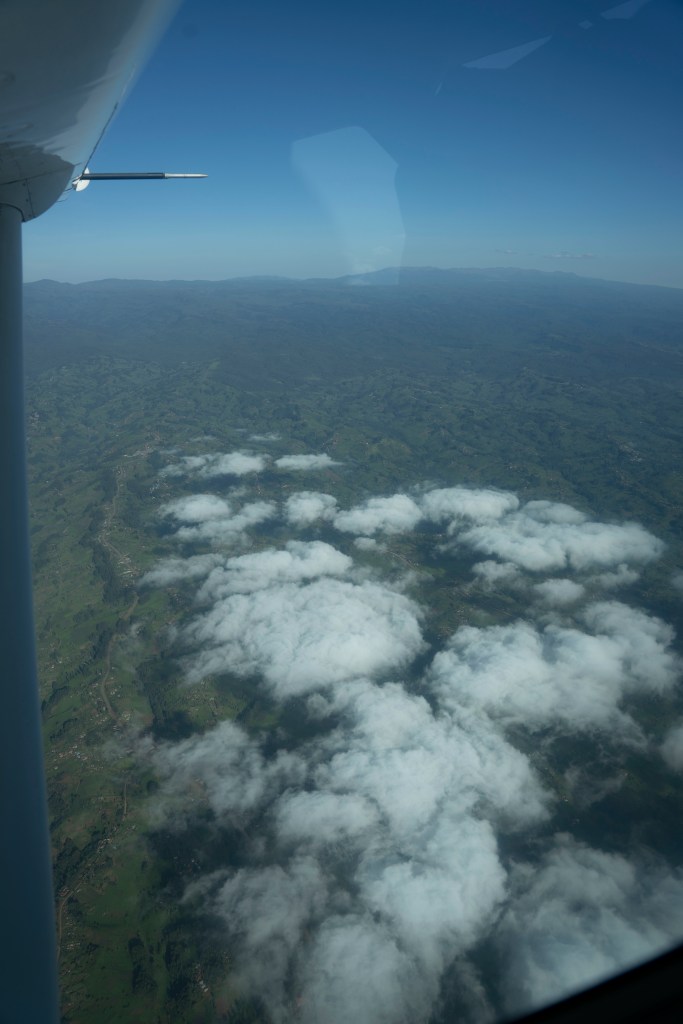
We flew out of Nairobi and North towards Lewa. It was about 50 minutes of flight over very beautiful country before we landed on a dirt airstrip.
We were met by our guide Johnson and his apprentice Amos. Interestingly here the guides wear a combination of modern technical clothing (like fleece, oakleys) and traditional Masai clothing. Similarly they use a combination of traditional and modern tracking techniques (cell phones and animal calls).
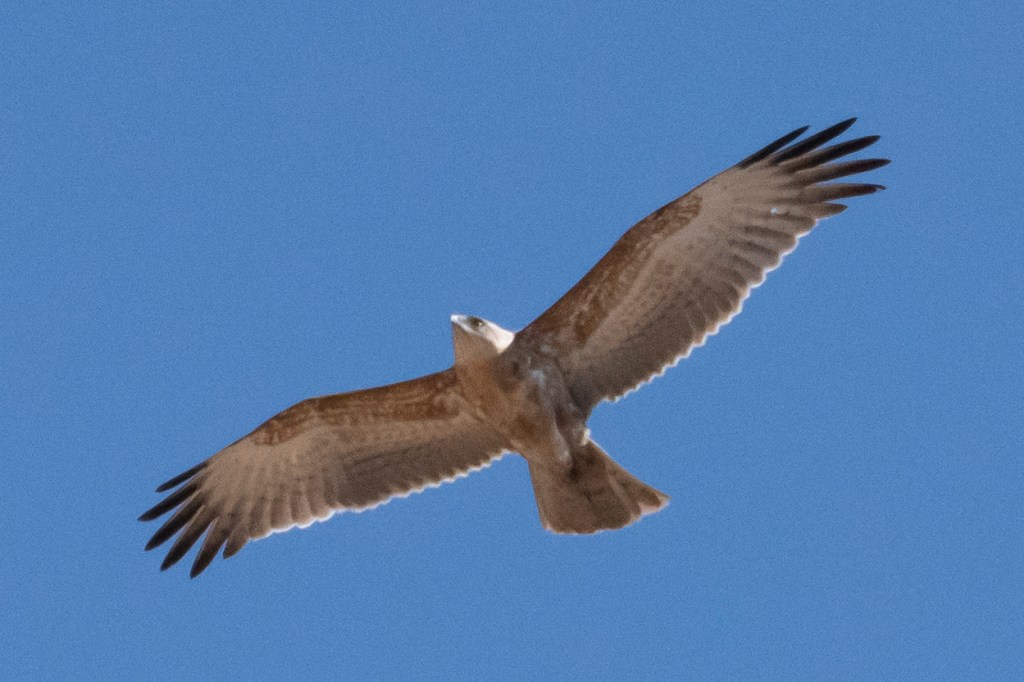
Lewa is a reserve owned and managed by the nature conservancy – originally a ranch belonging to the people who own the Lewa Wilderness Lodge.
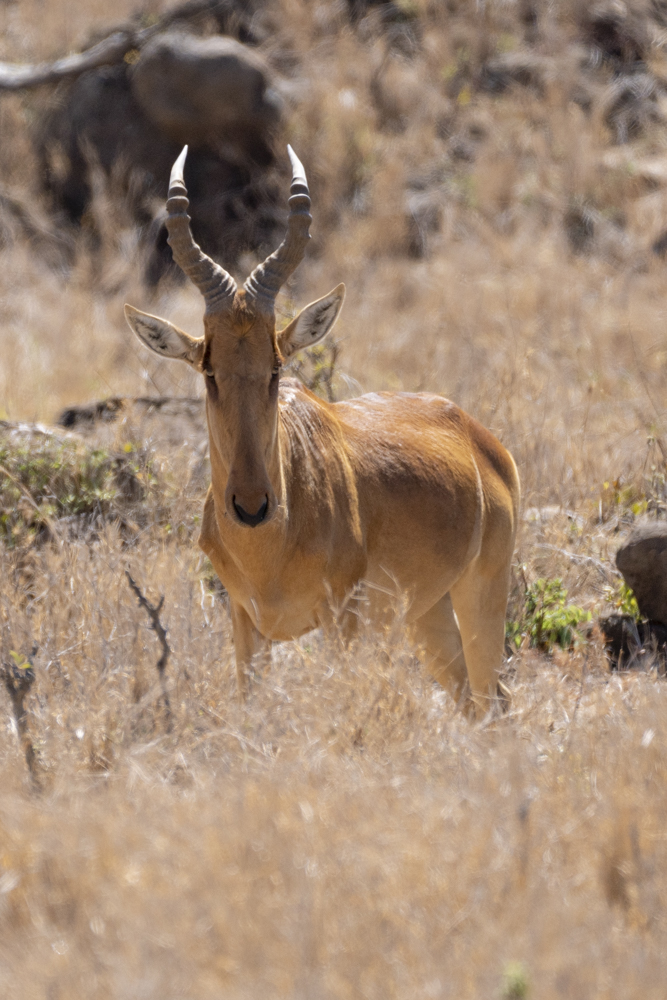
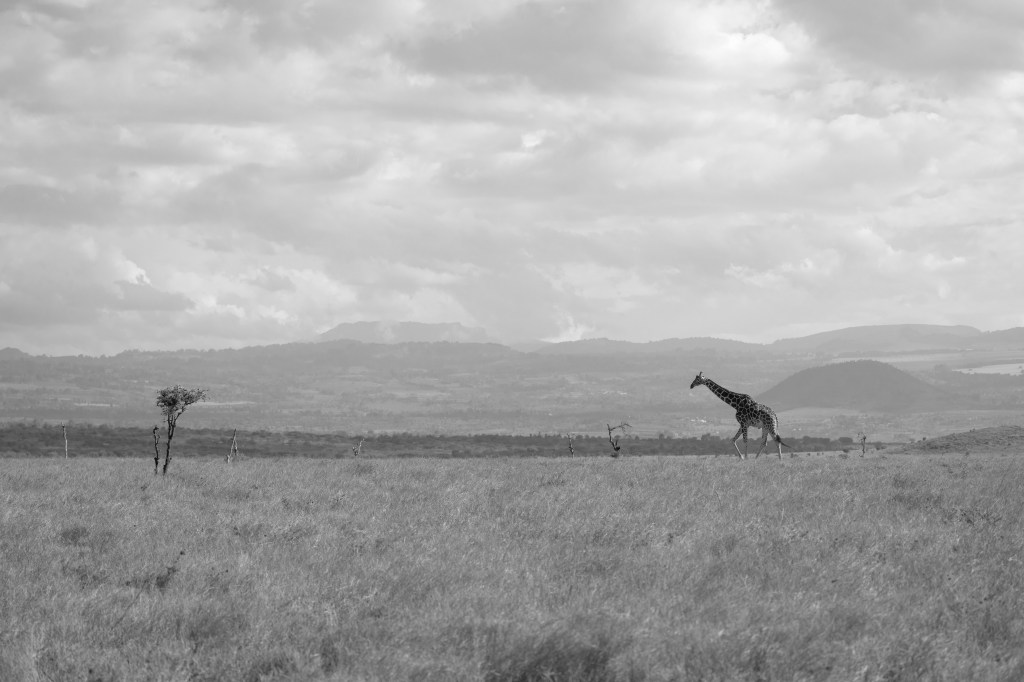
Driven back to lodge and enroute saw several new species, including the Reticulated Giraffe – this is our third giraffe species. We saw the southern giraffe in Botswana, and the Rothschild giraffe in Nairobi. Giraffe are generally much tougher and more robust than one would think – walking speed of 10mph, sprint at 35mph, and once into adolescence too much trouble for most predators until they are old (at about 30) and subject to predation.
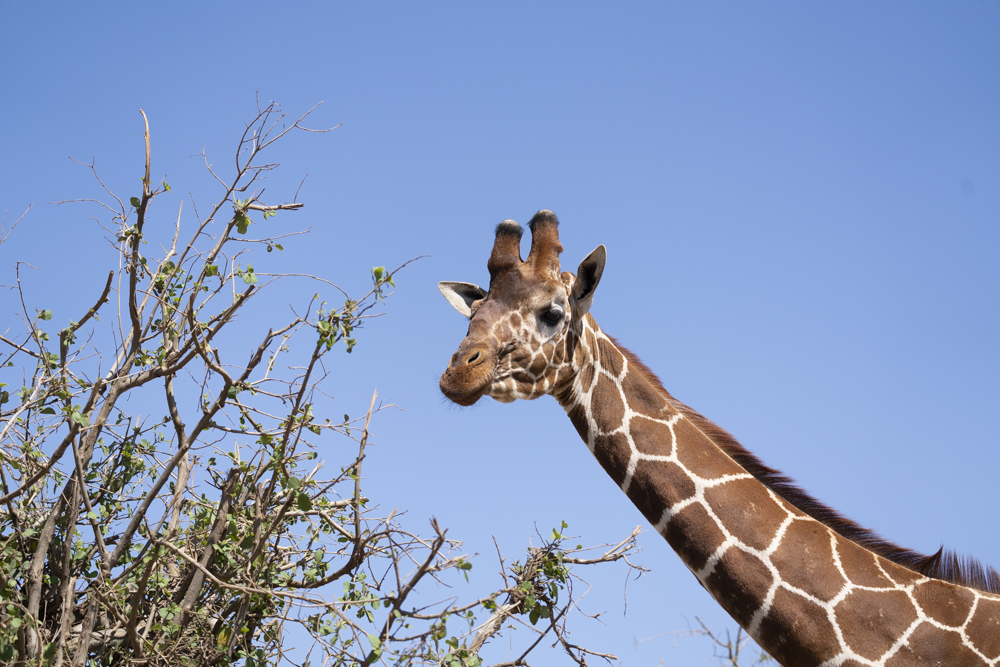
We also saw Grevys Zebra, which are much more rare than the common zebra in part because their adaptations (like territoriality) make them more subject to predation, and partially due to habitat encroachment.
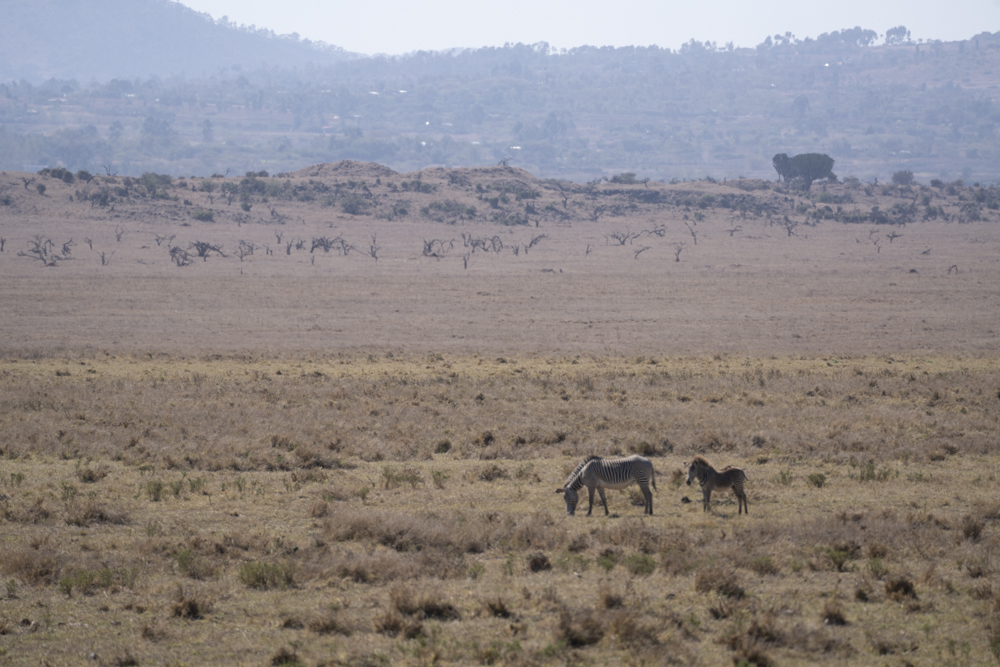
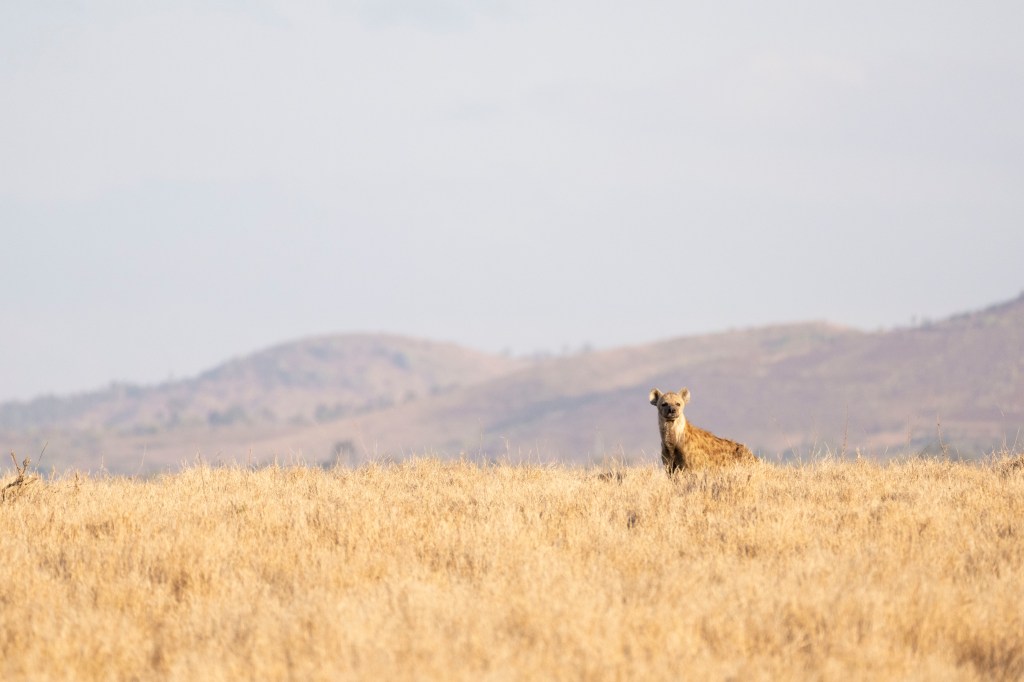
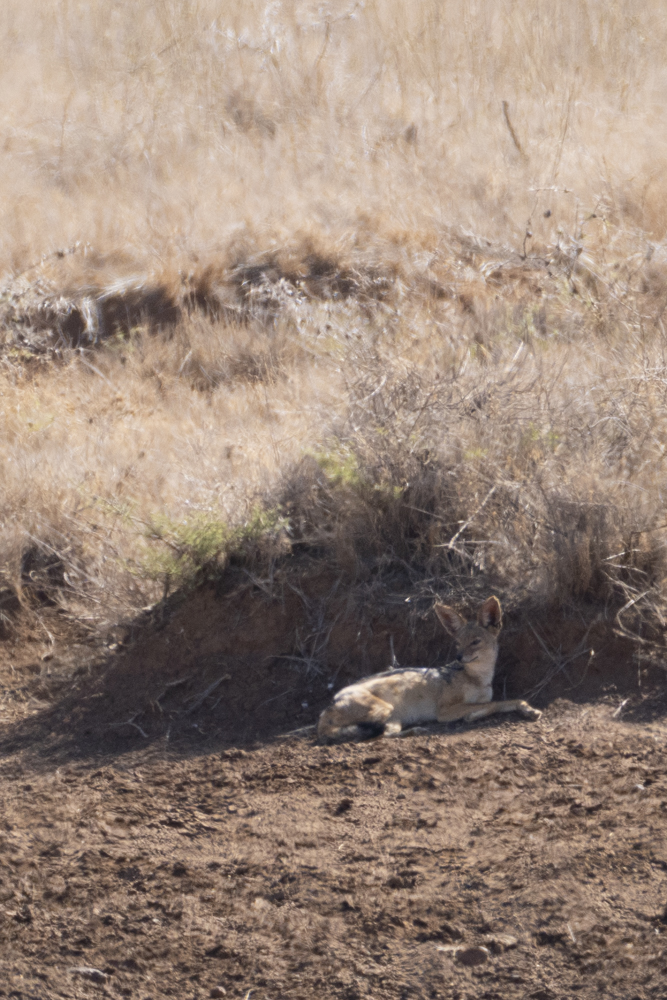
We saw a pair of hyaena, which is a big deal because Amos comes from the hyaena tribe. But Johnson had a whole herd of sheep and a cow wiped out by hyaena, so he had something else to tease Amos about.
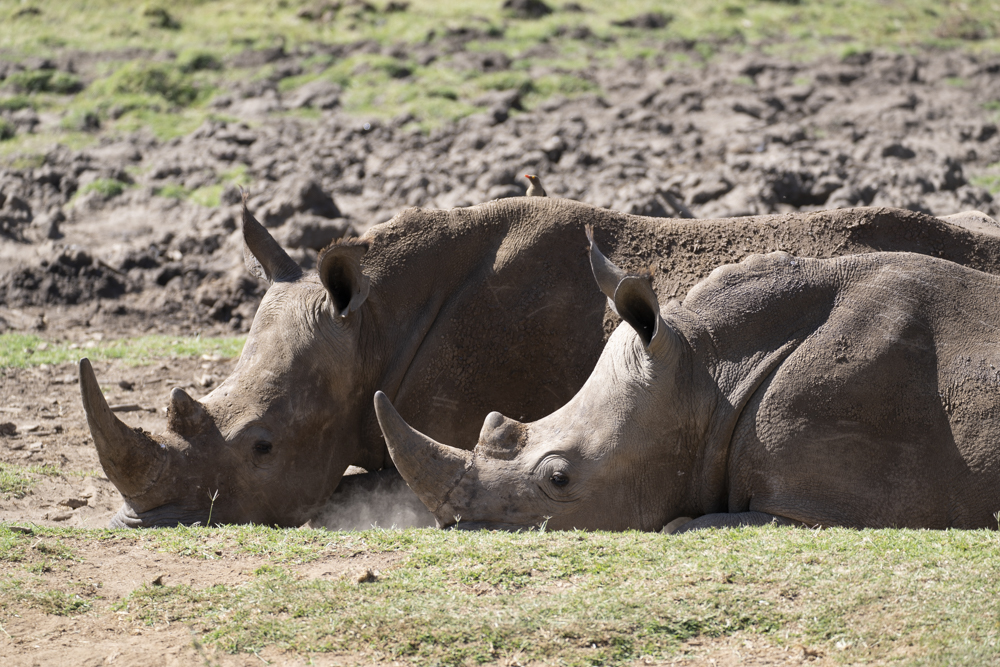
And the big treat was seeing Rhino. Rhino horn is incredibly valuable and hence a target of poaching so it was amazing to see Rhinos in the wild.
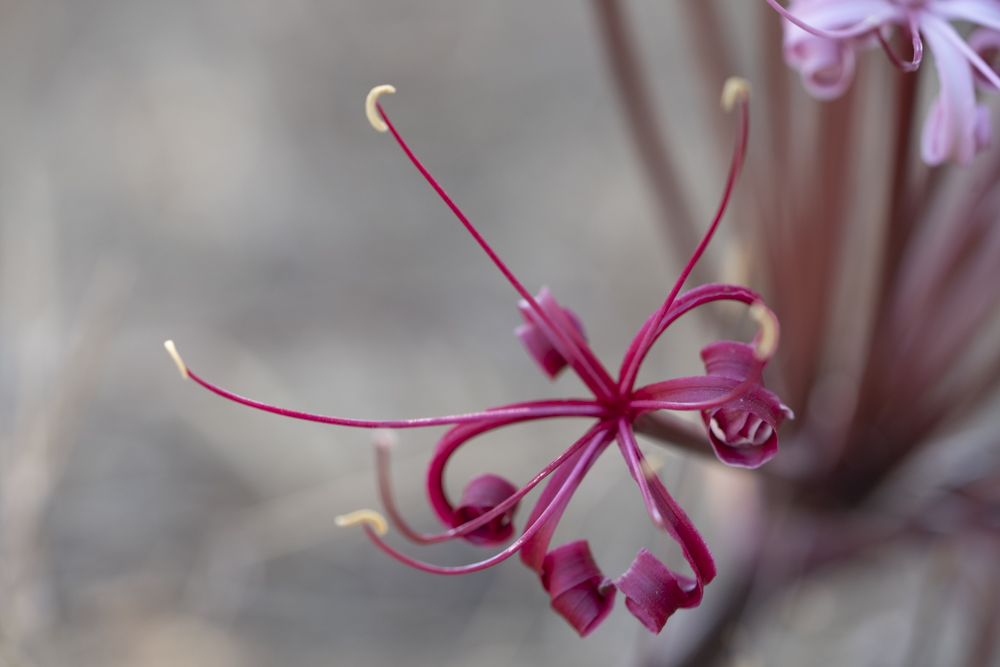
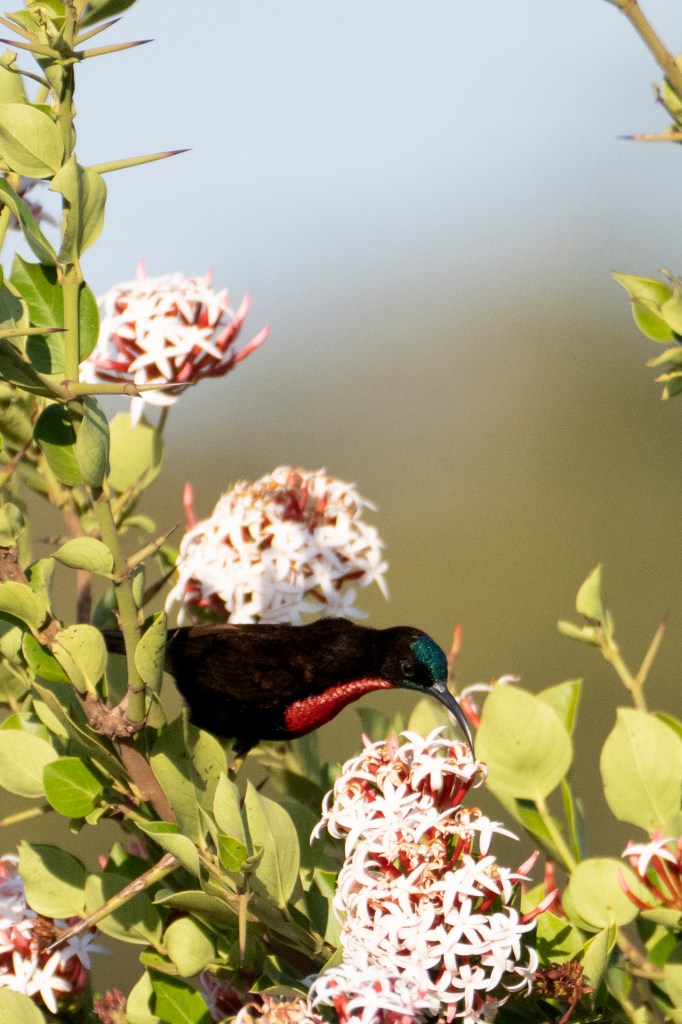
On the way back there was some real magic as Johnson and Amos noticed this flower blooming and were really excited. This flower, the Pyjama Lilly, indicates imminent rain – a huge deal in Lewa, which has been in a 12 month drought.
The lodge was really incredible – a ranch house that grew into a lodge, and a very “Hobbiton” feel to it built very naturally into the hillside.
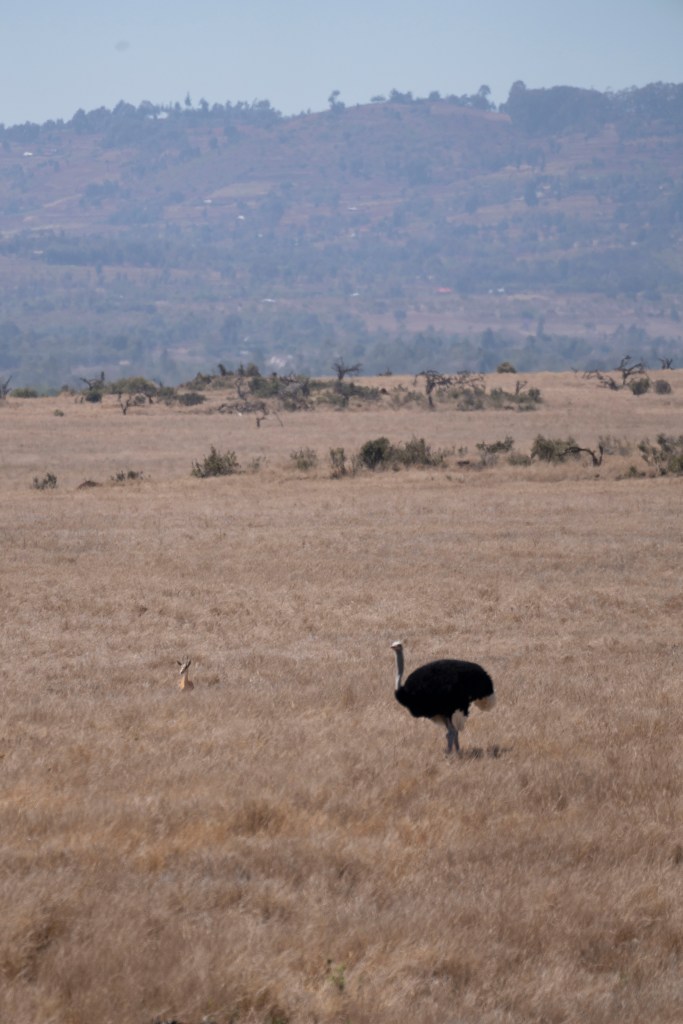
Stunning gardens (many non-native plants) with the bonus of baboons, giraffe, and rhinos on the hillside opposite the river canyon.
Our room was amazing – thatched roof and a very comfortable lounge with a great view of the hillside. Everything here was crafted here, and the whole lodge had its own history and culture, including family portraits and photo albums going back 30 years.
We had a delicious lunch overlooking the river then went out for our first game drive. Our guide, Johnson, was super fun and knowledgeable. Amos was interning with him, just about ready to become an independent guide. Johnson both drilled him and teased him relentlessly.
Leopard was the order of the day. As I have said, it is really hard to be a tree in elephant country and so Lewa has created some elephant exclusion zones so rhino, leopard, and monkeys have some trees. This is done with an electric fence which is high, so rhinos and other non elephant, non giraffe animals can get in.
The result is the creation of amazing Acacia (thorn tree) groves with heavy underbrush. The acacia here are called Tortillus – named for their flat, tortilla shape, and are really beautiful in the evening light.
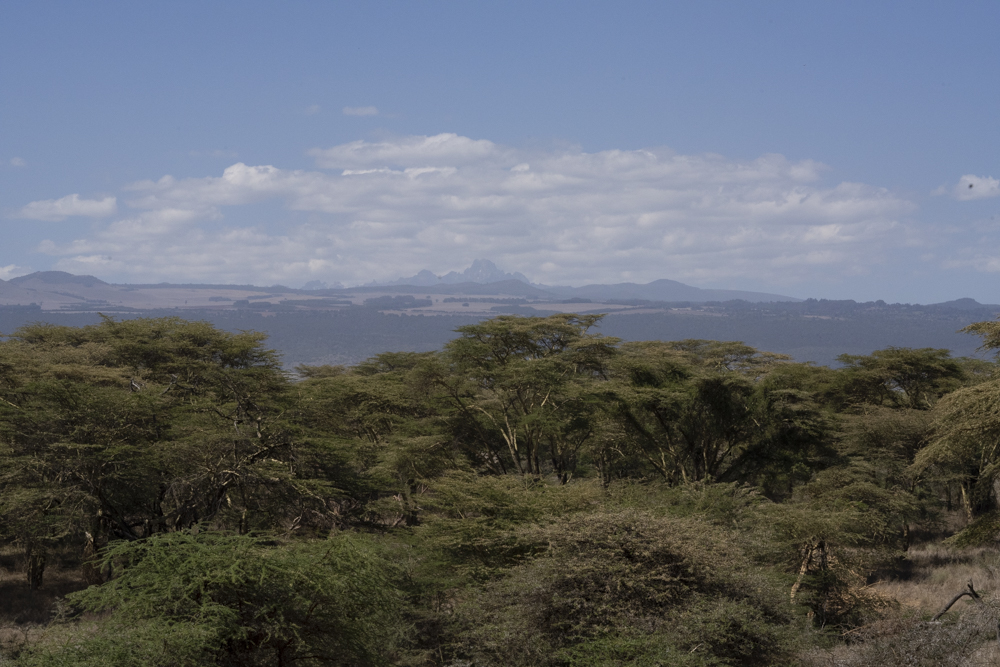
We went to the grove to find leopard, which are notoriously difficult to spot (Des said “you only see them when they want to be seen”). After a while we managed to see one moving through the brush, queuing off the alarmed monkeys and looking where they looked.
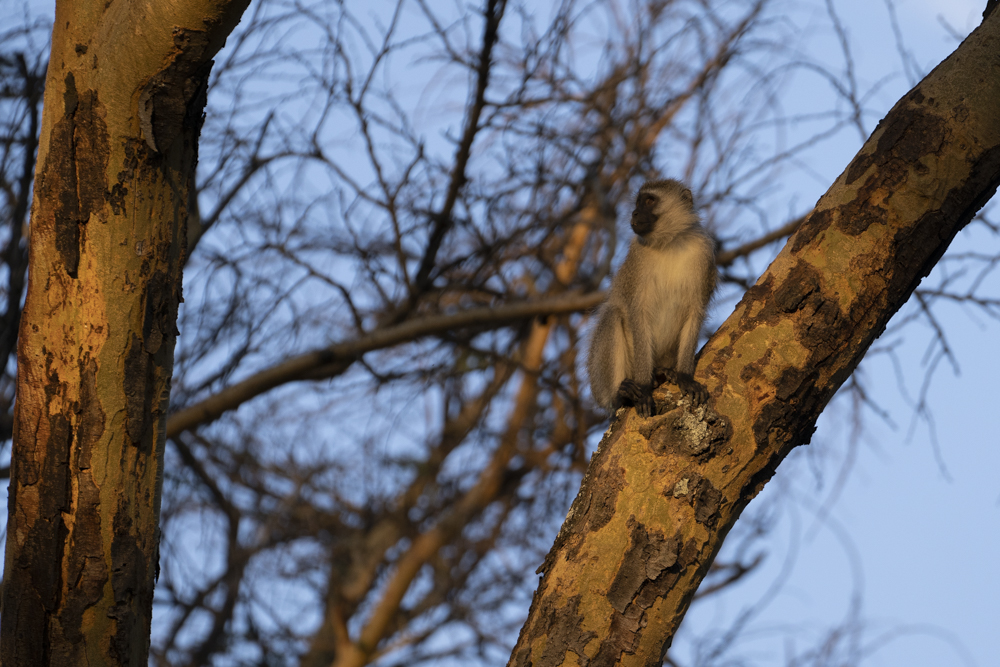
I didn’t get a capture but Johnson started repositioning the land cruiser in the right and twisty tracks to where we thought it had gone. We came around a bush and saw a mother and baby elephant, quite close. While we observed them, Johnson told us that the elephants weren’t supposed to get in here but a “naughty” (aggressive) elephant named Natasha had learned to belly crawl under the fence so she could get the tasty trees. He told us about How Naughty Natasha was quite bad, and had rammed land cruisers to the point of rendering them inoperable (fortunately no injuries to humans).
After a bit we went to move on but starting the land cruiser startled the baby who ran into his mom’s bum startling her, and she made a distress call. That’s when things got wild. Trees started shaking, and we heard an elephant’s trumpet, and a huge female with broken tusks appeared in front of us, clearly “you messed with my grand baby I am gonna kick your ass!”
Johnson slammed the land cruiser into reverse and we did a three point turn and bombed out of there with Natasha charging us in hot pursuit. It only took a minute to get away to another part of the grove but it was a very exciting minute – very “Jurassic park being chased by the t-Rex”
After this we spent some more time looking for leopard, and spotted one more moving through the bush – barely got a shot.
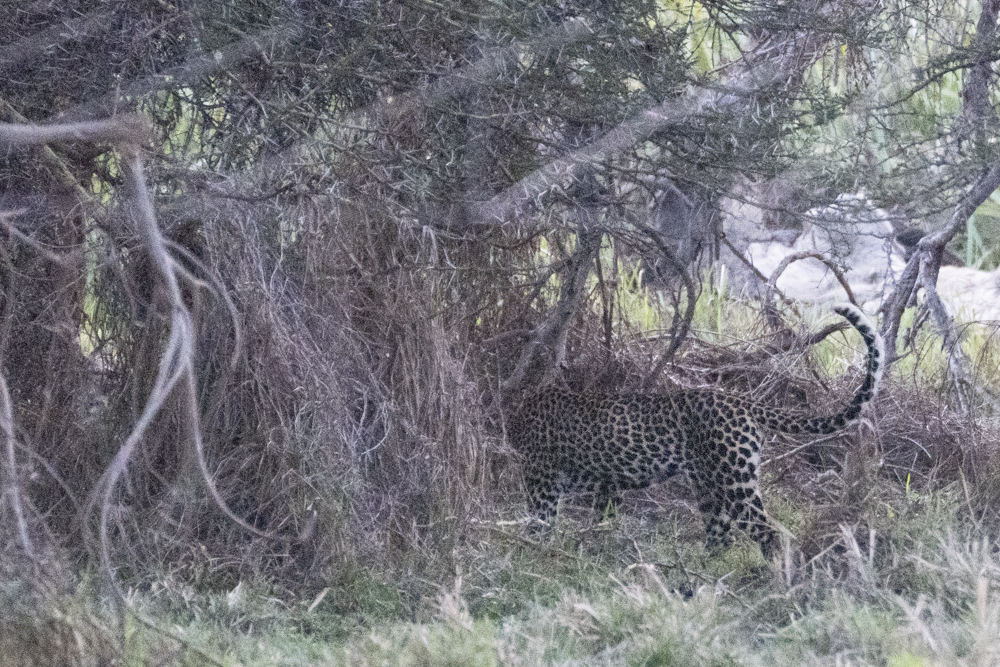
Then we found a leopard hiding with a freshly killed impala under a bush. I managed to get one shot of her dragging the kill into deeper cover.
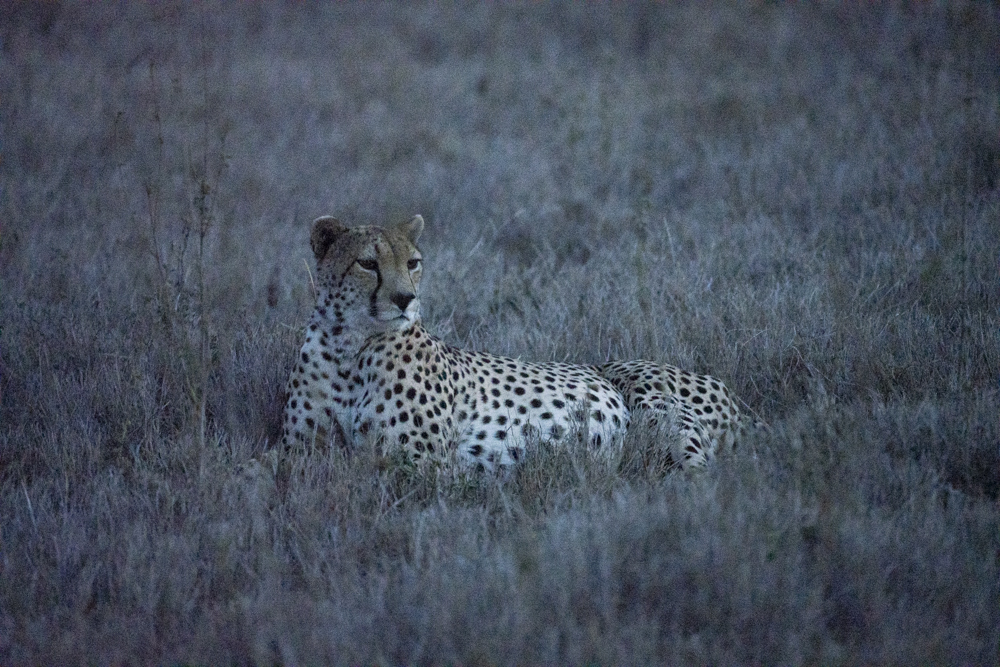
We moved out to look for black rhino And other animals. Ended up finding a big male cheetah resting after a kill. Long exposure and a steady hand (and a high ISO) got this as I had a beer:
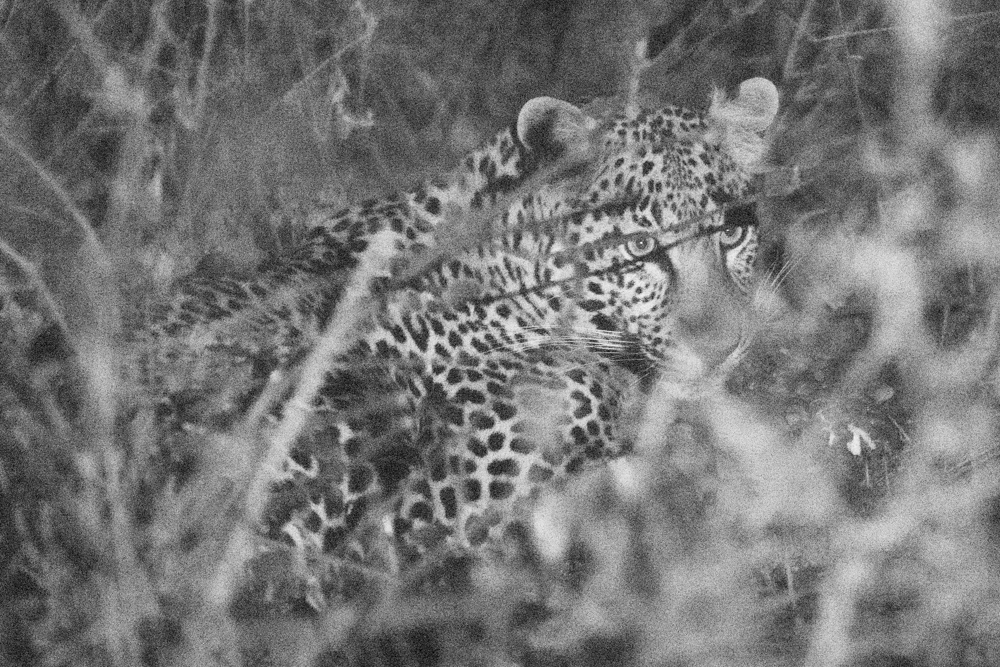
We circled back through the grove, now in pitch black, and found a much bigger leopard with an impala. She wasn’t too concerned about the land cruiser. We had a red spotlight – apparently the cat’s basically don’t even see the red light, so it doesn’t bother them. I was able to get several shots of her gorging on the impala.
Back to the lodge, quite late, we had an amazing meal and turned in for the next day’s walking safari. Land cruisers don’t really register with the animals – which is great for getting close without chcanging their behavior much. But on foot, we are in the mix and behaviors change a lot, making it harder to get close but much more intimate.
 Madventure